There is a version of fragrance retail that takes place entirely in department stores, under fluorescent lighting, with blotting paper and a sales assistant timing your visit. It is a perfectly adequate way to buy fragrance. It is not the only way, and for a certain kind of fragrance wearer, it is not the right way.
Niche perfumery — the term is imprecise but useful — refers to the segment of the market where houses have creative freedom not possible under a multinational structure. The budgets are smaller; the quantities are lower; the creative brief is not ‘appeal to the maximum number of people’. The results vary enormously. At their worst, niche fragrances are expensive and bizarre. At their best, they are what fine fragrance looks like when nobody has asked it to be anything other than exactly itself.
This guide is organised by house rather than by family, because with niche perfumery the house voice matters as much as the individual fragrance. Understanding what Byredo does, or what Diptyque has always done, is as useful as understanding individual compositions. Start anywhere. Go sideways.
Byredo: Restraint as a Statement
The Swedish house founded by Ben Gorham in 2006 built its reputation on a particular kind of understatement: clean, photogenic bottles; deliberately spare ingredient lists; a refusal to explain itself. The fragrances that emerged from this approach are some of the most consistently wearable in contemporary niche perfumery.


Mojave Ghost is the starting point: ambrette and sapodilla opening into magnolia, settling into cedarwood and warm amber. Desert-dry and quietly beautiful — the most accessible Byredo and consistently its most recommended.
Bibliothèque takes a more literary route: leather, orris and peach over vanilla and cedarwood. It smells like old books in the specific way that only a very good perfumer can achieve — not merely ‘woody and dusty’ but actually evocative of a place.
Le Labo: The Ingredient as Argument
Le Labo names its fragrances after their dominant ingredient and its formula number — Santal 33, Rose 31, Noir 29. The conceit is genuine: each fragrance is built around a single material pushed further than convention usually allows. The results are polarising, occasionally overwhelming, and frequently excellent.


Noir 29 pushes tea and fig leaf into almost smoky territory over a cashmeran base. It is quieter than the name suggests — more atmospheric than dense — but it stays on skin for hours. A winter fragrance that makes sense in every season.
Rose 31 is the most important rose in niche perfumery: cumin and coriander surrounding the flower, cedarwood and guaiac wood underneath. It demonstrates that rose can be earthy and masculine without losing the thing that makes rose interesting. A benchmark.
Frédéric Malle: The Perfumer as Author
Frédéric Malle’s publishing model — commission great perfumers, give them complete creative freedom, credit them on the bottle — sounds like a marketing concept. The fragrances produced by this approach suggest it is something more: several of the defining compositions of the past twenty-five years emerged from this house.

Carnal Flower by Dominique Ropion (2000) is the finest tuberose fragrance ever made commercially available: coconut and eucalyptus softening the flower without diluting it, jasmine and musk underneath. An argument that white florals at their most ambitious are among the most technically challenging things in perfumery.
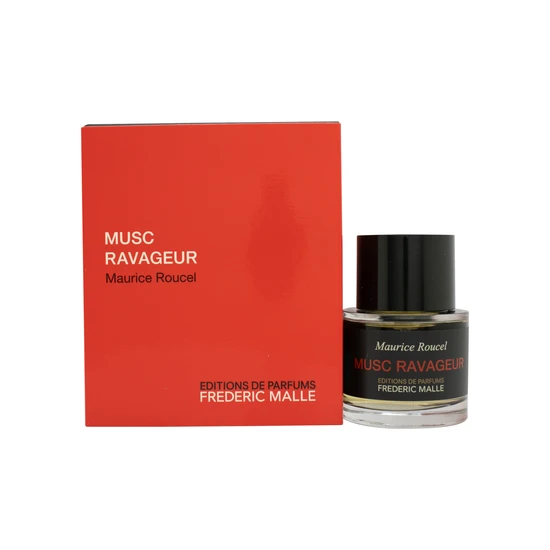
Musc Ravageur by Maurice Roucel (2000) is the benchmark for animalic musk: spice and citrus opening into a skin-close, persistent musk-vanilla drydown that improves for hours and never quite disappears. It rewards proximity in a way that projection-focused fragrances cannot.
Maison Francis Kurkdjian: Architecture in Scent
Francis Kurkdjian trained as a classical perfumer and has the credits — Acqua di Giò, Le Male, Elie Saab Le Parfum — to prove it. His own house, founded in 2009, applies rigorous classical structure to occasionally unconventional concepts. The results are some of the most precisely constructed fragrances in the contemporary market.


Baccarat Rouge 540 is the most discussed fragrance of the past decade: saffron and jasmine over amberwood and cedar in a combination that reads as simultaneously sweet and mineral. It is distinctive enough to function as a signature and polarising enough to mean something. Understand it before you dismiss it.
Aqua Universalis is the counter-argument: bergamot and lily of the valley over white musks, clean and structurally perfect. Where Baccarat Rouge makes demands, Aqua Universalis makes none — it is the ideal unisex daily wear for the person who wants excellent fragrance without declaration.
Diptyque: The Parisian Concept House
Diptyque’s founding mythology — a 1961 Paris boutique selling fabric and objects before pivoting to candles and then fragrance — matters because it explains the house’s consistent approach: fragrance as evocation of specific things and places rather than abstract beauty. The best Diptyque fragrances smell exactly like what they say they smell like.


Philosykos (1996) captures every part of the fig tree simultaneously: the green sharpness of the leaf, the grain of the wood, the sweetness of the fruit. It does this better than any subsequent fig fragrance has managed. A benchmark for the ‘true to material’ school of niche perfumery.
Eau Duelle takes a more complex route: saffron and pepper opening into two distinct vanillas — one smoky and austere, one warm and comforting. The duality is the point. It suits autumn more than summer and evening more than day, but it rewards wearing in all four.
Acqua di Parma: The Italian Tradition
Founded in Parma in 1916 and acquired by LVMH in 2001, Acqua di Parma sits at the intersection of niche and heritage. The house’s central claim — Italian craftsmanship, Calabrian citrus, restrained elegance — has remained consistent across a century. The Colonia line in particular is a masterclass in the citrus cologne tradition.


Colonia (1916) is the reference point for European citrus cologne: bergamot and lemon over rosemary and verbena, settling into vetiver and sandalwood. Nothing at this price point smells as effortlessly elegant, and nothing in the category has been doing it for as long.
Colonia Essenza is the intensified version — the same citrus brightness, but pushed toward a leather and amber base for greater persistence and evening suitability. Where Colonia is the morning, Essenza is the afternoon.
Parfums de Marly: French Baroque Revisited
The house’s founding concept — eighteenth-century French court opulence translated into contemporary niche fragrance — could easily produce something theatrical and unwearable. In practice, Parfums de Marly produces some of the most consistently approachable luxury fragrances on the market. The bottles are heavy, the prices are high, and the fragrances inside are usually excellent.


Pegasus is the starting point for the masculine range: lavender and jasmine over vanilla and amber in a combination that manages to be both gourmand and restrained. It is sweet enough to satisfy the fragrance community’s current appetite for vanilla without becoming a dessert substitute.
Layton is the more ambitious proposition: apple and violet over a warm spiced amber base with guaiac wood providing a dry counterpoint to the sweetness. It has better persistence than most of its category, and the drydown — pepper, sandalwood, vanilla — is genuinely excellent.
The Rest Worth Knowing
Three more compositions that do not fit neatly into a house narrative but belong in any serious introduction to niche perfumery.


Creed Silver Mountain Water applies the house’s alpine freshness concept to blackcurrant and green tea over vetiver — the most fruit-forward Creed and the best entry point for those who find Aventus too assertive.
Jo Malone Lime Basil & Mandarin made the house’s name for a reason: lime and basil in a combination that smells simultaneously edible and sophisticated, with a clean amber base that extends the citrus well beyond what EDC concentration usually allows.
Jo Malone Peony & Blush Suede is the feminine counterpart — peony, jasmine and red apple over suede and musk. Clean, powder-soft luxury fragrance at its most precisely calibrated.
Maison Margiela Replica Coffee Break is the Replica line’s most convincing concept: coffee, milk and vanilla constructed with enough specificity to smell like an actual coffee rather than a generic sweet note. Particularly good in autumn and winter.
Amouage Reflection Man is the Omani house at its most restrained: lavender and neroli over rose and jasmine, settling into sandalwood and vetiver. The most approachable Amouage for the niche newcomer — exceptional quality, no intimidation.