Amber fragrance is perfumery’s oldest tradition and its most misunderstood category. The name refers not to the fossilised resin — which has almost no scent — but to a family of materials: labdanum, benzoin, vanilla, resins and musks that combine to create warmth, depth and a quality that perfumers call ‘animalic’. When a fragrance smells like a warm room, a worn scarf or the base of someone’s neck, you are almost certainly in amber territory.
The category divides broadly into two streams: the classic oriental — built around floral hearts over rich, resinous bases — and the spiced amber, where cardamom, cinnamon, pepper and leather replace the flowers. The best fragrances in the category manage both simultaneously, which is why the great oriental fragrances tend to smell more complex on the skin than any note list can explain.
This guide covers fifteen amber and oriental fragrances spanning both streams — from the 1977 originals to the last decade’s best spiced masculines. A warning before you begin: amber fragrances smell entirely different on skin than in the bottle. If you have dismissed one of these in a shop, try it again.
The Originals: Where Amber Perfumery Began
The modern oriental fragrance was essentially invented in the 1970s and 1980s. These four established the conventions of the category — the floral hearts, the resinous bases, the unapologetic projection — that every subsequent amber fragrance has either refined or reacted against.



YSL Opium (1977) remains the most potent of the group: incense, clove, amber and labdanum in a density that made it genuinely controversial on launch. Forty-five years later it still commands a room. A reference fragrance — one every serious collection should include at least once.
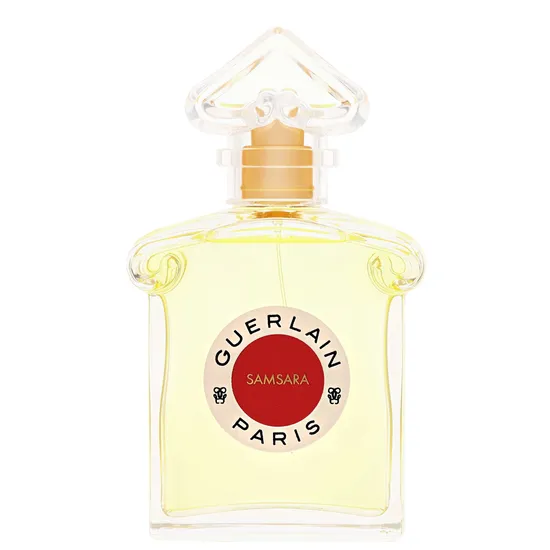
Guerlain Samsara (1989) built its structure around exceptional sandalwood — the quality of the base material here is audible in the way the fragrance moves on skin. Jasmine and rose over that sandalwood-vanilla base: languorous, sensual, built for warm nights.
Dior Hypnotic Poison (1998) is the most accessible of the classics: almond and vanilla over coconut-jasmine, sweet but structured enough to avoid cloying. It has maintained a loyal audience for twenty-five years precisely because it wears so well across so many situations.
Dior Fahrenheit (1988) occupies its own category: violet and petroleum over leather and cedarwood. It should not work, and it is one of the most distinctive masculines ever made. Polarising by design — find out which side you are on.
The Warm Feminines: Amber at Its Most Opulent
The second generation of amber feminines moved toward sweetness — caramel, chocolate, honey — while retaining the structural depth of their predecessors. These three represent the range from genre-defining to reliably elegant.


Mugler Angel (1992) invented the gourmand genre: chocolate, caramel, patchouli and honey in a combination that had never appeared in fine fragrance before. Everything sweet and resinous in modern perfumery traces back to this. Love it or find it overwhelming; there is no middle position.
Lancôme Hypnôse (2005) sits at the sophisticated end of the amber feminine: iris and jasmine over a warm amber-patchouli base, with a violet quality that prevents it from becoming merely sweet. More complex than La Vie Est Belle; more rewarding as a result.
Cacharel Amor Amor begins with the bright grapefruit and blackcurrant of a fruity floral before the rose-peach heart reveals the amber underneath. An accessible, warmly sweet fragrance that earns its popularity.
The Spiced Masculines: Amber for Men
Amber entered mainstream masculine perfumery properly in the 1990s, and the best spiced amber masculines remain among the most consistently recommended fragrances in the category. These four cover the full range — from the orientalised fougère to the modern leather-tobacco statement.


Le Male (1995) defined the seductive masculine oriental: mint and lavender over vanilla and cumin, simultaneously fresh at the top and richly warm at the base. The male torso bottle is famous; the fragrance inside remains one of the most distinctive in the category.
Viktor & Rolf Spicebomb lives up to its packaging: chili, saffron and cinnamon in a combination that opens with genuine aggression before settling into dry leather-tobacco. It projects well and lasts — a statement fragrance that justifies the statement.
Azzaro Wanted is more interesting than its Western concept: dry cardamom and cactus over amber cedarwood, with a dusty quality that distinguishes it from sweeter amber masculines. Better value than most of its contemporaries.
Paco Rabanne Black XS takes an unusual route: heliotrope — powdery, sweet, slightly almond — in a masculine oriental over cacao and leather-patchouli. Darker and more interesting than its mainstream positioning suggests.
The Amber Moderns: Contemporary Takes on Warmth
The past fifteen years have produced a generation of amber fragrances that retain the warmth of the classics while softening the projection and refining the structure for contemporary tastes. These four represent the best of that approach.


Armani Code EDP pushed the guaiac wood and tobacco notes of the original into a drier, slightly smoky amber quality that represents a genuine improvement on its predecessor. A night fragrance with presence — restrained enough to be sophisticated.
Versace Eros Flame takes the Eros DNA and redirects it toward warmth: pepper and geranium over vanilla-cedar, giving it a cold-weather suitability the original lacks. The better Eros for autumn and winter.
Carolina Herrera CH Men navigates the border between classic and contemporary with unusual grace: patchouli and cinnamon over amber-sandalwood, warm and slow-burning without demanding attention. A reliable evening choice.
Givenchy Pi (1998) remains one of the most underrated masculines of its era: anise and vanilla in a warm base that smells simultaneously fresh and gourmand. A template that influenced many subsequent releases and has never quite received the credit it deserves.