Fresh fragrance has a bad reputation in certain corners of the internet. The serious collector crowd writes it off as entry-level; the niche devotee dismisses aquatics as shopping-mall territory. They are wrong, and they were probably young once too.
Fresh, clean, aquatic fragrance is the right place to start. It is wearable in nearly any context, unlikely to offend, and — at its best — genuinely transporting. When someone walks past you trailing cool sea air and pale musk, you notice. You remember. That is what fragrance is supposed to do.
The category covers a lot of ground. At one end you have bold, projecting sport colognes built for the gym and the club. At the other, quiet mineral compositions that smell like a very clean version of the great outdoors. What they share is a lightness — a refusal to impose — that makes them ideal for the younger man still building his wardrobe.
This guide covers twenty of them. We have organised them into five groups: the originals who built the genre, the modern sporty aquatics, the campus classics, the clean citrus-musk brigade, and the green-fresh outliers. There is something for every budget and every occasion across all twenty.
Where It All Began: The Originals
Every modern fresh masculine traces its DNA back to three fragrances. Between them, they invented the conventions of the genre — the ozonic note, the calone accord, the sense of air and water replacing the heavier musks of the decades before. Understanding them is understanding everything that came after.
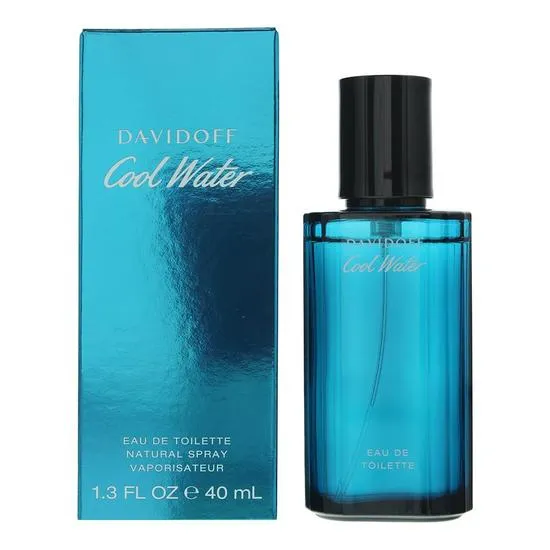


Davidoff Cool Water (1988) was the detonator. Jacques Cavallier’s composition opened a door that the industry has never closed — dihydromyrcenol as cool, icy freshness; oakmoss and sandalwood as warmth underneath. It still works today, and at its price point it has no meaningful competition.
Armani Acqua di Giò arrived in 1996 and became the fragrance most associated with a generation of young men discovering cologne for the first time. Bergamot, sea water, cedar and white musk: simple in theory, excellent in practice. It is the fragrance most recommended when someone new to this asks where to start, and that consensus is broadly correct.
Issey Miyake L’Eau d’Issey pour Homme (1994) is the most interesting of the three. The yuzu-calone-vetiver structure felt alien when it launched — watery and quiet at a moment when masculines were dense and warm. It essentially defined the modern aquatic genre before most people knew what an aquatic was. Nearly thirty years later it remains worth wearing.
Built for Attention: The Sporty Aquatics
The second generation of fresh masculines had a clear brief: freshness in service of projection, wearability in service of impact. These four are built for an audience that wants to be noticed — and they earn it.


Paco Rabanne Invictus pairs grapefruit and sea water with an oakmoss-ambergris base that gives it far more tenacity than most aquatics. It is the fragrance of student halls, gym changing rooms and pre-nights out, and nobody seems to mind.
Versace Dylan Blue is the most grown-up of this group. The aquatic top is familiar, but violet leaf and fig in the heart, and the ambrox-musk drydown, give it a complexity that justifies the slightly higher price. It bridges the gap between sporty and sophisticated.
Bulgari Aqva pour Homme plays it literally: posidonia seaweed and mineral aquatic notes over guaiac wood. It smells more genuinely oceanic than most ocean-themed fragrances — less perfume, more coastal breeze. The restraint is the point.
Hugo Boss Bottled Sport is the utility player of the group. Grapefruit, melon, geranium and musk — it projects well, lasts a reasonable amount of time, and suits everything from the gym to the office on a warm day. Reliable in the best sense.
The Campus Hall of Fame
These five fragrances are not just popular — they are culturally significant. They defined an era of young masculine dressing. If you grew up in the late 90s, the 2000s or early 2010s, you or someone you knew wore at least two of these. That familiarity is not a reason to avoid them. It is a reason to understand them.


Tommy Hilfiger Tommy is spearmint, lavender and grapefruit over a tobacco-pine base. On paper that sounds odd. In practice it smells like an American weekend in 1996, which is either nostalgia or a fresh discovery depending on your age. It is still made, still affordable, and still gets compliments.
Hugo Boss Hugo brought green and crisp into the mainstream before niche perfumery got hold of those words. Sharp green apple, spearmint and ivy over oakmoss — deliberately bright, deliberately young. A fragrance that knows exactly what it is and makes no apology for it.
Calvin Klein CK One changed the rules entirely. A shared fragrance in 1994 was a commercial risk; it became one of the best-selling fragrances in the world. Clean citrus, pineapple, papaya and white musk — the prototype of every “clean” fragrance that followed. Two sprays, any occasion, done.
Nautica Voyage is the one for anyone on a genuinely tight budget who still wants something that smells good. Green apple and water lotus over oakmoss and musk — simple, clean, and astonishingly good value. More people should wear it and fewer people should be embarrassed about doing so.
Abercrombie & Fitch Fierce is the one that everyone recognises before they know what it is — the brand pumped it through their ventilation systems. Ozonic, woody, musky and projected at full volume. It is a bold choice and entirely unashamed of the fact. That is, frankly, part of the appeal.
The Clean Brigade
Not all fresh fragrances announce themselves with sea spray and sport. This group is cleaner and quieter — citrus, white musk, gentle aromatic notes. They suit men who want to smell considered without broadcasting it.



Azzaro Chrome (1996) is one of the most consistent performers in the fresh category: bergamot and rosemary into coriander and jasmine, rounding out to cedar and tonka bean. Nobody has ever turned their nose up at Chrome. It is dependably pleasant, which is a genuine achievement in a crowded market.
Ralph Lauren Polo Blue carries a summer-weekend quality — cucumber and cantaloupe over sage and suede, finishing on clean vetiver and musk. Aspirational without being pretentious, which is exactly the energy Ralph Lauren has always aimed for. It performs particularly well in warm weather.
Calvin Klein Eternity for Men is the oldest fragrance on this list that does not feel obviously dated. Lavender, sage and bergamot over amber, vetiver and oakmoss — it was ahead of the curve in 1989 and it has held up better than most of its contemporaries. A fresh fougère with genuine staying power.
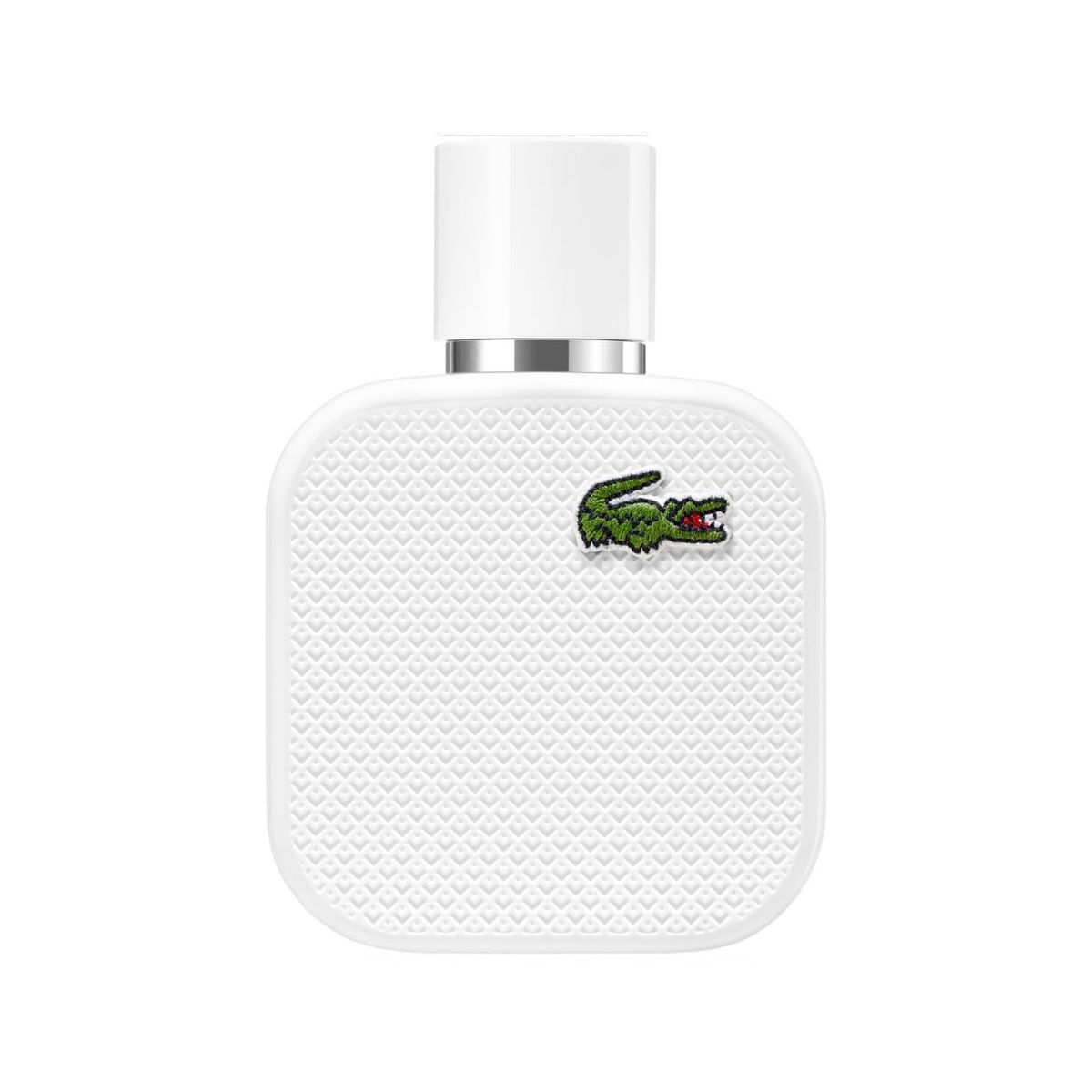
Lacoste L.12.12 Blanc is named after the white polo shirt, and it earns the comparison — clean, simple, worn without effort. Lemon, bergamot and grapefruit over hedione and oakmoss. The sort of fragrance you reach for on autopilot, which is the highest compliment you can pay a daily driver.
D&G Light Blue pour Homme has Sicilian mandarin and juniper over rosewood and cool incense. It is the most sophisticated fragrance in this group — a hint of the Mediterranean without becoming a tourist brochure. Works year-round and smells better than you would expect at its price point.
The Green Wave
The final three go further from the sea and closer to the garden. Less ozonic, more botanical — blackcurrant leaf, bamboo, kiwi, green tomato. These reward anyone who wants freshness without the aquatic cliché. Each one occupies slightly different territory.


Lacoste Essential opens on a genuinely sharp blackcurrant leaf and green tomato accord before settling into clean cedarwood and musk. Inexpensive, well-built and ideal for everyday wear — exactly what the name promises.
Hollister Wave for Him leans younger and breezier: kiwi and bergamot over violet and driftwood. Light, uncomplicated, designed for warm weather and the kind of ease that goes with it. The ideal beach or festival fragrance if you are not ready to commit to something heavier.
Joop! Jump finishes the list by doing something different — grapefruit and redcurrant brightening into cool mint and bamboo over a clean sandalwood base. There is no ocean in Jump. It is a city-fresh fragrance: urban and sharp, better value than its packaging suggests, and consistently underrated.
Building Your Wardrobe: Where to Start
Twenty fragrances is a menu, not a prescription. If you are starting out, the advice is simple: begin with one of the originals — Cool Water and Acqua di Giò between them cover most occasions and most budgets — then add a campus classic when the budget allows, and experiment from there.
EDT concentration is right for most of these. Apply to warm skin — the base of the neck and the inner wrists — and let them breathe. Fresh fragrances are not designed to last twelve hours; two to four hours of projection is normal and appropriate. A light reapplication mid-afternoon is not a failure; it is how the category works.
Price is not quality in this genre. Nautica Voyage and Hugo Boss Hugo genuinely compete with fragrances that cost three times as much. The best fresh masculine for you is whichever one you reach for without thinking about it — the one that gets sprayed before the thought is fully formed. That is what the wardrobe is for.